
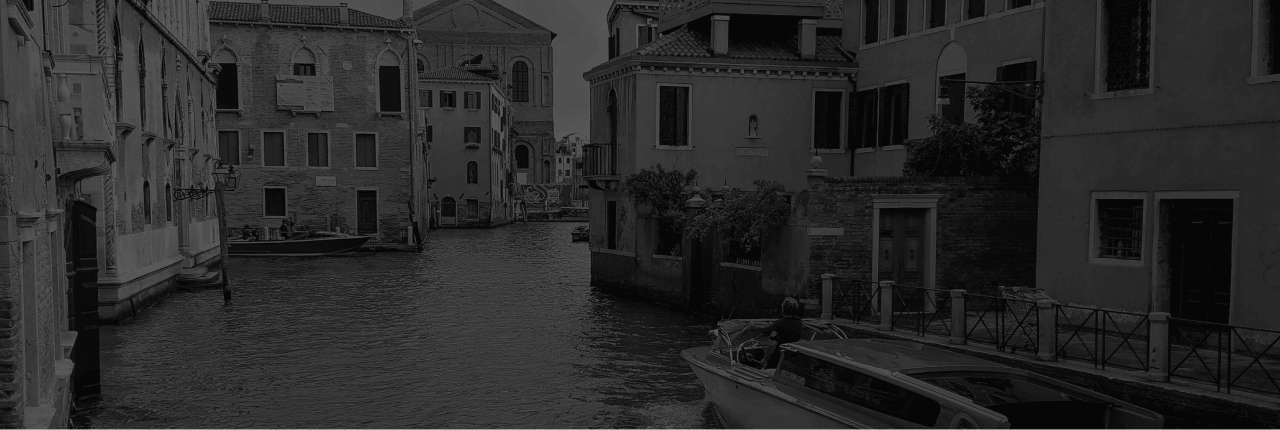
ITALY

Where ancient history, breathtaking landscapes, and the world's greatest food collide

Your complete Italy travel guide — plan smarter, travel better, and protect every moment of it
Why Visit Italy

Reasons to visit Italy

History Everywhere

Italy is home to more UNESCO World Heritage Sites than any country on earth. You can walk from a 2,000-year-old Roman forum to a medieval piazza in a single afternoon.

Food That Changes Every 50 Miles

Italian food isn't one cuisine — it's twenty. What they eat in Bologna bears little resemblance to what's on the table in Naples or Venice.

Landscapes for Every Traveler

From the glacial lakes of the north to the sun-scorched coastline of Sicily, Italy contains multitudes.

Art Per Square Mile

Italy holds an estimated 70% of the world's greatest art and architectural treasures. The Uffizi alone contains more masterpieces than most countries produce in a lifetime.

La Dolce Vita

There's a reason the phrase is Italian. The culture of slowing down, eating well, dressing carefully, and taking pleasure seriously is woven into daily life here in a way that visitors feel immediately.

Wine Grown Everywhere

Italy has more native grape varieties than any country in the world — over 2,000 documented. Every region produces wine with a distinct identity, and most of it never gets exported.

Plan Your Italy Trip

Not sure where to start? We've done the planning for you

By Trip Length

Rome

Three days in the Eternal City is enough to fall in love but not nearly enough to see it all.

  • Day one: hit the Colosseum, Roman Forum, and Palatine Hill in the morning, then explore Trastevere for dinner — the best Roman pasta is here.

  • Day two: Vatican Museums and St. Peter's Basilica in the morning, then Piazza Navona and the Pantheon in the afternoon.

  • Day three: Galleria Borghese in the morning (book tickets weeks ahead), then toss a coin in the Trevi Fountain and climb the Spanish Steps before you leave.

Read More
Florence and Tuscany

Five days gives you Florence's Renaissance treasures plus the rolling hills of the Tuscan countryside.

  • Spend your first two days in Florence: the Uffizi, the Accademia (for David), and the Duomo climb. Eat at a trattoria in the Oltrarno.

  • Day three: rent a car and drive to Siena for the Piazza del Campo, then to San Gimignano for the tower views.

  • Day four: Chianti wine region. Visit a vineyard in Greve or Radda, stock up on olive oil, and have lunch in a hilltop village.

  • Day five: Pisa in the morning for the Leaning Tower, then train to Lucca to walk the intact Renaissance walls before heading back.

Read More
Venice and the Italian Lakes

A week blending the sublime lagoon city with the serene Alpine lakes to the north.

  • Days one and two in Venice: St. Mark's Square, the Doge's Palace, and a gondola ride. Get lost in Cannaregio away from the crowds.

  • Day three: take the vaporetto to Murano for glass-blowing and Burano for the colorful fisherman's houses.

  • Day four: train to Verona. See Juliet's balcony, the Roman Arena, and have dinner in the Piazza delle Erbe.

  • Days five and six: Lake Como. Base yourself in Bellagio, take the ferry to Varenna and Menaggio, and ride the funicular to Brunate.

  • Day seven: Lake Garda. Visit Sirmione and the Scaliger Castle, then fly out of Milan or Verona.

Read More
The Grand Tour: Rome to the Amalfi Coast

The classic Italian itinerary: Rome, Florence, Venice, and the Amalfi Coast in two well-paced weeks.

  • Days one to three: Rome. See the ancient sites, Vatican, and Baroque quarter. Book a food tour in Testaccio for your last evening.

  • Days four and five: Florence. Hit the museums, climb Giotto's Bell Tower, and take a day trip to Siena.

  • Days six to eight: Bologna, Parma, and Venice. Eat tortellini in Bologna, then arrive in Venice over the lagoon bridge and take a gondola at sunset.

  • Days nine and ten: Cinque Terre. Hike the trail between Monterosso and Vernazza, swim in the coves, and eat pesto in Levanto.

  • Days eleven to fourteen: Amalfi Coast. Base yourself in Positano, take the ferry to Capri, and hike the Path of the Gods.

Read More
The Full Country

Three weeks to cover the entire boot — from the Alps to Sicily, with everything in between.

  • Week one: Rome, Florence, and Tuscany. Take it slow and add day trips to Orvieto, Assisi, and the Val d'Orcia.

  • Days eight to ten: Venice, Verona, and the lakes. Add Padua for Giotto's Scrovegni Chapel on the way north.

  • Days eleven to fourteen: Milan, the Italian Riviera, and Cinque Terre. See The Last Supper, then hike the coastal trail and explore Portofino.

  • Days fifteen to eighteen: Naples, Pompeii, the Amalfi Coast, and Puglia. Spend a day in Pompeii, a day on Capri, then head east to Alberobello's trulli and Matera's caves.

  • Days nineteen to twenty-one: Sicily. Fly to Palermo for the markets and Monreale, then Taormina for the Greek theater overlooking the sea.

Read More
When to visit Italy

Italy rewards travelers differently depending on when you go.

Here's what to expect in every season — the weather, the crowds, the highlights, and who each season suits best.

Springs (March-May)
Italy wakes up and so should you Read More
weather

Mild and pleasant, 12–22°C from March to May. Occasional rain showers, especially in the north, but mostly clear skies.

crowd level

Moderate, building toward Easter which creates significant spikes in Rome and major cities.

best regions

Tuscany for wildflowers and cycling, Rome before the summer rush, Lake Como as it reopens after winter.

highlights

Easter week in Rome is spectacular but extremely crowded. Florence's Scoppio del Carro explosion on Easter Sunday.

best for

First-time visitors, couples, and art travelers who want museums without two-hour queues.

Tuscan hillside with wildflowers and blooming almond trees
Summer (June-August)
Long days, coastal escapes, and vibrant energy Read More
weather

Hot and dry, 28–35°C across most of Italy. Coastal breezes moderate the heat on the Amalfi Coast and islands.

crowd level

Very high everywhere. August is peak Ferragosto season when Italians themselves go on holiday.

best regions

Coastal areas like the Amalfi Coast, Cinque Terre, Sardinia, and Sicily. Avoid inland cities during heatwaves.

highlights

Palio di Siena in July and August. Evening passeggiata comes alive as the heat fades. Opera in the Verona Arena.

best for

Beach lovers, festival seekers, and travelers who don't mind crowds for the energy and long daylight hours.

Amalfi Coast beach with turquoise water and colorful boats
Fall (September-November)
Harvest season and golden light Read More
weather

Warm early, cooling through the season, 15–25°C in September dropping to 8–15°C by November. Rain increases.

crowd level

Moderate early, thinning significantly after October. The sweet spot between summer crowds and winter quiet.

best regions

Tuscany and Piedmont for wine harvest. Venice for the Biennale. Rome and Florence with manageable crowds.

highlights

Truffle festivals in Piedmont and Umbria. Olive harvest in Tuscany. The Alba White Truffle Fair in October and November.

best for

Food and wine travelers, photographers, and anyone wanting warm days without summer heat.

Golden autumn vineyard in Piedmont with misty valley
Winter (December-February)
Quiet streets, snow-capped Alps, and holiday markets Read More
weather

Cold in the north, 0–10°C, with snow in the Alps. Milder in the south, 8–15°C, with rain more common than snow.

crowd level

Low except for the holiday weeks around Christmas and New Year's, and Carnevale in Venice.

best regions

The Alps for skiing in Cortina and Val Gardena. Rome and the south for mild winter sightseeing. Venice for Carnevale.

highlights

Carnevale di Venezia in February. Christmas markets in Bolzano, Trento, and Verona. Epic skiing in the Dolomites.

best for

Skiers, budget travelers (low-season prices), and those who want major attractions nearly to themselves.

The Dolomites in winter with snow-capped peaks
Festival & Events

Italy's calendar is as rich as its history.

From Venice's elaborate Carnevale to the thundering chaos of Siena's Palio, these aren't tourist add-ons — they're living traditions that have been running for centuries.

Browse All Festivals & Events
Carnevale di Venezia
  • Venice
  • February

One of the world's most visually extraordinary festivals. Ten days of elaborate masks, costumes, and events across the entire city.

Read More
Palio di Siena
  • Siena, Tuscany
  • July and August

A bareback horse race around the medieval Piazza del Campo that has been run since the 13th century. Ten riders, ten contrade, ten minutes of chaos.

Read More
Infiorata di Noto
  • Noto, Sicily
  • May

The streets of this Baroque town are carpeted entirely in elaborate flower petal mosaics. A single weekend, completely spectacular, and largely unknown outside Italy.

Read More
Battaglia delle Arance
  • Ivrea, Piedmont
  • February

The Battle of the Oranges reenacts a medieval rebellion with nine teams hurling 400,000 kilograms of citrus through the streets.

Read More
Festa del Redentore
  • Venice
  • July

Venice's most spectacular fireworks display over the Venetian Lagoon. Locals fill the basin with decorated boats and celebrate through the night.

Read More
La Biennale di Venezia
  • Venice
  • Alternating years: Art in odd, Architecture in even

The world's most prestigious contemporary art and architecture exhibition, spread across the Giardini, Arsenale, and palazzos throughout the city.

Read More
bg-img

Big events mean bigger crowds, higher prices, and more to lose if plans change.

Protect Your Trip
Historic Sites

No country on earth concentrates

No country on earth concentrates more of human history into a single landmass than Italy, from 2,000-year-old Roman ruins to Renaissance masterpieces still hanging where they were painted.

Browse All Historic Sites
The Colosseum
Rome, Lazio Read More
Pompeii
Near Naples, Campania Read More
The Vatican Museums
Vatican City, Rome Read More
Florence Cathedral and Brunelleschi's Dome
Florence, Tuscany Read More
Leaning Tower of Pisa
Pisa, Tuscany Read More
Gallerie dell'Accademia
Venice, Veneto Read More
Beautiful Places

Beyond the ruins and the museums

Italy is simply one of the most visually extraordinary countries on earth, the kind that stops you mid-sentence. These are places you go not to learn something but to stand there and feel it.

Amalfi Coastline
Campania
Amalfi Coastline
Campania

Thirteen miles of clifftop road connecting fishing villages, lemon groves, and turquoise water. Positano, Ravello, and Amalfi each deserve their own day. Best seen by boat.

Read More
Cinque Terre
Liguria
Cinque Terre
Liguria

Five pastel-colored villages clinging to rugged cliffs above the Ligurian Sea. The hiking trail between Monterosso and Vernazza is among Italy's most scenic walks.

Read More
The Dolomites
Trentino-Alto Adige
The Dolomites
Trentino-Alto Adige

Pale gray peaks that catch the sunset in shades of pink and purple. World-class hiking in summer, skiing in winter, and Alpine huts serving hearty mountain food.

Read More
Lake Como
Lombardy
Lake Como
Lombardy

A deep, Y-shaped lake ringed by elegant villas, terraced gardens, and snow-capped peaks. Bellagio, Varenna, and Menaggio are the three pearls worth your time.

Read More
Val d'Orcia
Tuscany
Val d'Orcia
Tuscany

The postcard version of Tuscany made real: rolling wheat fields, cypress-lined dirt roads, and hilltop towns like Montalcino and Pienza that haven't changed in centuries.

Read More
Sardinia's Costa Smeralda
Sardinia
Sardinia's Costa Smeralda
Sardinia

Emerald water lapping white granite sand on the northeast coast. La Maddalena archipelago is a boat trip away, and the beaches rival the Caribbean for clarity.

Read More
Food & Drink Culture

Eating and drinking in Italy is the whole point.

The wine in your glass was likely grown within 50 miles of where you're sitting. The coffee was pulled by someone who has strong opinions about how it should taste. The pasta shape on your plate belongs specifically to this town and nowhere else.

Explore All Guides
Regional Pasta: A Shape for Every Place

Rome has cacio e pepe and carbonara. Bologna gives us tagliatelle al ragù. Every region has its own shape, sauce, and fiercely held traditions.

Read More
Italy's Wine Regions Worth the Trip

Tuscany for Chianti and Brunello, Piedmont for Barolo and Barbaresco, Veneto for Prosecco and Amarone. Each region produces wines that rarely cross the Atlantic.

Read More
The Art of Italian Coffee

Espresso is a ritual, not a drink. A cappuccino belongs at breakfast only. Standing at the bar costs half the price of sitting at a table — and tastes better.

Read More
Gelato, Dolci, and the Sweet Life

Artisan gelato uses less air and more real fruit than any American version. Try pistachio in Sicily, tiramisu in Veneto, and cannoli in Sicily.

Read More
Street Food Worth Crossing Cities For

Pizza al taglio in Rome, arancini in Sicily, focaccia in Liguria, and lampredotto in Florence. Italian street food is regional, cheap, and frequently life-changing.

Read More
Markets and Cooking Classes

The Mercato Centrale in Florence and Mercato di Testaccio in Rome are edible museums. A half-day cooking class in Bologna will change how you make ragù forever.

Read More
Travel Essentials

Everything you need to know before you go

the practical details that make the difference between a smooth trip and an avoidable headache.

Getting There

Rome Fiumicino (FCO) and Milan Malpensa (MXP) handle most transatlantic flights from the US. Direct ...

Getting Around

High-speed trains connect Rome, Florence, Venice, Milan, Naples, and Bologna in under three hours be...

Visa & Entry Requirements

American passport holders can stay in Italy and the Schengen Area for up to 90 days within any 180-d...

Currency & Payments

Credit and debit cards are accepted at most hotels, restaurants, and shops in cities. However, many ...

Language

English is commonly understood in hotels, restaurants, and attractions in major cities. In smaller t...

Electrical & Connectivity

Italy uses two plug types: Type F (two round pins with grounding clips) and Type L (three round pins...

Best Time to Visit

Spring (April-June) and fall (September-October) are ideal: pleasant temperatures, fewer crowds than...

How Long to Spend

One week is the minimum to cover the three classic cities — Rome, Florence, and Venice. Two weeks le...

Health Requirements

No special vaccinations are required for US citizens entering Italy. The public healthcare system (S...

Time Zone

Italy uses CET (UTC+1) in winter and CEST (UTC+2) in summer. Daylight saving starts on the last Sund...

bg-img

Visa sorted, flights booked — now make sure you're covered for the unexpected.

Protect Your Trip
Budget Optimization

Make the Most of Your Money in Italy

Italy rewards the traveler who knows where to look — the family trattoria over the tourist menu, the regional train over the rental car, the shoulder season trip over the August rush. Spending well in Italy is less about budget and more about knowing the difference.

Explore Budget Hub

Quick Tips

  • Eat lunch where dinner is too expensive — most restaurants offer a fixed lunch menu (menù del giorno) for a fraction of the dinner price.

  • Book high-speed trains in advance on Trenitalia or Italo — prices rise significantly closer to departure, especially on popular routes.

  • Visit museums and state-run sites on the first Sunday of every month when entry is free, or book in advance for the Roma Pass and Firenze Card.

Best Value Cities in Italy

Where your euro goes furthest without sacrificing the experience.

Read More
Eating Well on a Budget

How to eat like an Italian without spending like a tourist.

Read More
Free Museum Days and City Passes

A complete guide to Italy's free admission calendar and discount cards.

Read More
Train vs. Rental Car vs. Flights

When to take the train, when to fly, and when the rental car is worth it.

Read More
The Shoulder Season Advantage

How visiting in spring or fall can save you 30% or more on your trip.

Read More
Affordable Accommodation Strategies

Monastery stays, agriturismi, and apartments that beat any hotel price.

Read More

Italy is a safe destination

Being prepared means you can relax and enjoy your trip without worry.

Travel with Complete Confidence

From unexpected cancellations to medical emergencies, make sure your Italian adventure is protected.

Protect Your Trip
  • Overall Risk Level

    Low. Italy is generally very safe for travelers, with violent crime being rare.

  • Most Common Incidents

    Pickpocketing and petty theft in crowded tourist areas, on public transport, and at major attractions.

  • Areas to Be Aware Of

    Termini Station in Rome, Circumvesuviana train to Pompeii, crowded piazzas, and the bus from FCO to the city center.

  • Common Insurance Claims

    Trip cancellation, lost or delayed luggage, pickpocketing claims, and minor medical expenses.

  • Healthcare System Overview

    Excellent public healthcare system. Pharmacies can handle minor issues and dispense many medications.

  • What Your Insurance Should Cover

    Medical emergencies, trip interruption, theft of valuables, and emergency medical evacuation.

  • Emergency Contacts

    112 for general emergencies (pan-European), 113 for police, 118 for ambulance, 115 for fire.

Practical Info for US Travelers

Essential reference information to keep handy during your trip.

US Embassy & Consulates

US Embassy in Rome (Via Vittorio Veneto). Consulates in Milan, Florence, Naples, and Catania.

Emergency Numbers

112 (General/Pan-European), 113 (Police), 115 (Fire), 118 (Medical/Ambulance).

Hospitals Near Tourist Areas

Fatebenefratelli (Rome), Santa Maria Nuova (Florence), Ospedale Civile (Venice), and Ospedale Cardarelli (Naples).

Laws Americans Commonly Don't Know

You must validate train tickets before boarding. Always carry photo ID. Eating or drinking near churches and monuments can result in fines.

LGBTQ+ Status & Safety

Generally safe and accepted, especially in major cities like Milan, Bologna, and Rome. Public displays of affection may draw attention in smaller towns.

Accessibility Overview

Cobblestones and ancient buildings make accessibility challenging. Major museums and newer hotels are improving, but historic centers remain difficult.

Cell & eSIM Guidance

Airalo and Holafly offer affordable Italy eSIMs. Local carriers TIM, Vodafone, and WindTre have prepaid SIMs available at airports and shops.

State Department Advisory Level

Level 2 (Exercise Increased Caution) due to terrorism risks in Europe. Standard for most European countries.

Driving Rules & International License

An International Driving Permit (IDP) is required by law for US drivers. Rentals require a credit card in the driver's name. Toll roads use a ticket system.

Drinking Age & Alcohol Laws

The legal drinking age is 18. Open container laws vary by city. Public intoxication is not tolerated and can lead to fines.

Drug Laws

Strictly enforced. Cannabis is illegal for recreational use. Possession can result in fines, license suspension, and deportation.

US Customs Rules on Return

Declare all food items (cheese, meats, olive oil). Duty-free allowance is $800 per person. Agricultural products require special permits.