
Understanding the Dish
Small, intense, crowned with crema — Italian espresso is the standard by which all coffee is measured.
In Italy, un caffè always means espresso — never filter, never drip. A single shot is pulled in under 30 seconds, served in a preheated ceramic cup, and drunk within moments at the bar. The crema should be thick, hazelnut-colored, and stable enough to hold a pinch of sugar before slowly sinking into the dark liquid below.
Key Facts
Origin Story
The espresso machine was invented in Turin in 1884, but Italian coffee culture was shaped by Trieste — a free coffee port of the Austro-Hungarian Empire. What emerged was a national ritual of speed, precision, and sociability, with unwritten rules that still govern every pour today.
Authentic vs Imitation
Italian coffee culture is defined by rules that tourists break every day without knowing.
Authentic
- Ordered by name at the counter — caffè, macchiato, cappuccino
- Paid for first at the register, receipt shown to barista
- Drunk standing at the bar within moments of being poured
- Served in a ceramic cup with saucer, never a paper to-go cup
Imitation
- Ordering a latte or asking for a large drip coffee
- Ordering cappuccino after 11am or following a meal
- Sitting at a table and paying double for the same espresso
- Asking for a to-go cup and walking out with it
Craft & Precision
Espresso looks simple, but pulling a perfect shot requires obsessive attention to every variable.
- Freshly ground beans — never pre-ground, never stale
- Precise dose tamped with consistent pressure
- Water at 90–96C pressurized through the puck at 9 bars
- Pull time of 25–30 seconds for a 25–30ml shot
Drink Pairings
Coffee pairs with sweets, digestifs, or simply a glass of water.
Served before espresso to cleanse the palate in Neapolitan tradition
The classic breakfast pairing, filled with crema pasticcera or jam
Caffè corretto — espresso corrected with a splash of spirit
The Base & Preparation
A 30ml emulsion of coffee oils, solubles, and trapped gases with crema on top.
Dark brown liquid topped with crema — a fine foam of coffee oils and suspended gases. The crema locks in aromatics and signals a proper extraction. Thin or absent crema means a bad pull from stale beans or poor technique.
When It's Available
Coffee is enjoyed year-round, with seasonal variations in ordering habits.
Caffè shakerato — shaken iced espresso — dominates summer menus across Italy. In winter, caffè corretto with grappa warms you up on cold mornings.
What It Costs
The same espresso costs different amounts depending where you stand.
At the bar (al banco)
€1 – €1.50
Seated at a table
€2 – €4
Tourist piazza seating
€4 – €7
Ordering Like a Local
Pay first, order second, drink standing, and never ask for a to-go cup.
- Un caffè, per favore* (a single espresso at the counter, the default Italian order)
- Un caffè macchiato* (espresso stained with a drop of warm milk)
Best Places to Try It
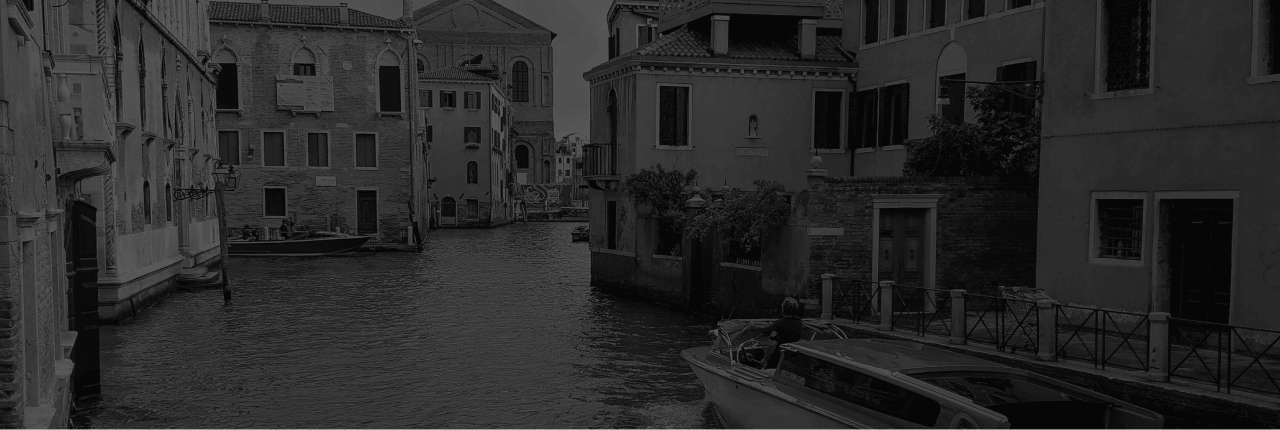
Venice's historic coffee house since 1720, pricey but dripping with atmosphere.
Naples' most storied coffee bar with a literary and artistic legacy.
Trieste's grand coffee house on Piazza Unita for authentic regional coffee culture.
Best Time to Have It
Morning for cappuccino, any time of day for espresso.
Breakfast
Cappuccino with cornetto
Post-meal
Quick espresso, standing
What to Order With It
Coffee culture comes with its own food pairings.
The Italian croissant, stuffed with crema, jam, or honey.
Hard almond cookies designed for dipping into coffee or sweet wine.
The definitive coffee-layered dessert with mascarpone and cocoa.
Where to Buy Ingredients
Take home the beans and tools to recreate the ritual.
- Illy flagship store in Trieste for authentic Italian espresso beans
- Lavazza store in Turin for beans, machines, and brewing classes
- Pellini in Rome for specialty Italian roasts and barista tools