
What autumn in Italy is like
Autumn in Italy trades summer crowds for golden vineyards, truffle markets, and crisp days that suit long walks through the countryside.
Key Facts
What to do this season
What the autumn climate feels like
Autumn opens with summer's warmth and closes with crisp mornings, and the low golden light turns vineyards and city facades soft. Rain arrives in fits from October, but the days it clears are some of Italy's most photogenic.
A Day in the Season
How an autumn day unfolds
Autumn days reward a food-led rhythm, from a harvest walk in the morning light to a long estate dinner as the evening closes in early.
Vineyard or hilltop morning
(8:00 AM)
Take a harvest walk or a hill-town climb before the day fully warms.
Market and truffle lunch
(1:00 PM)
Eat porcini or truffle dishes at a slow lunch, the season's centerpiece.
Foliage drive
(4:00 PM)
Drive the golden hills or larch forests while the low sun rakes the valleys.
Estate dinner
(8:00 PM)
Dine at a winery or trattoria as the evening closes in around you.
What to bring
Autumn needs a wardrobe that spans warm September afternoons and November downpours, so a system of layers, waterproofs, and sturdy boots covers the whole arc.
- Light layers for warm September days and cool evenings
- Waterproof jacket and shoes for October and November rain
- Sturdy walking boots for truffle hunts and vineyard tours
- Smart-casual outfit for winery dinners and festival evenings
What autumn travel costs
September still behaves like summer in price and demand, then rates fall through October and November, while harvest and truffle experiences carry their own premiums.
Flights
Rates fall steadily from September
Hotels
September holds summer prices; October drops
Activities
Harvest and truffle tours at festival premiums
Get the best deal
The value in autumn starts in October, but the experiences sell out first, so lock the harvest and truffle dates before you book the flights around them.
Harvest tours and festival tickets are prepaid and weather-sensitive, so insure the dates before you book.
Get Travel InsuranceBook with these in mind
-
Book vendemmia and truffle experiences weeks ahead, they fill first
-
September is still peak-price, so target October for the real savings
-
Confirm coastal ferry and hotel closures before booking for late October
Moving around in autumn
Autumn transport is calm outside the September rush, but the season's edges close fast, with coastal ferries winding down by mid-October and mountain weather turning quickly.
- Book September trains ahead, the last big wave of summer travel
- Coastal ferries run reduced schedules from mid-October, so confirm boats
- Mountain passes stay open, but snow can arrive by late November
What to eat this season
The food calendar peaks in autumn, and the tables show it.
What works and what doesn't
Pros
- September gives you summer warmth without summer crowds at the beaches
- Harvest, truffle, and chestnut festivals fill the food calendar
- Autumn light and foliage make the countryside photograph beautifully
Cons
- Rain grows frequent through October and November, especially in the north
- Some coastal hotels and ferries begin shutting down by mid-October
- Days shorten fast, so plan outdoor sightseeing for mornings
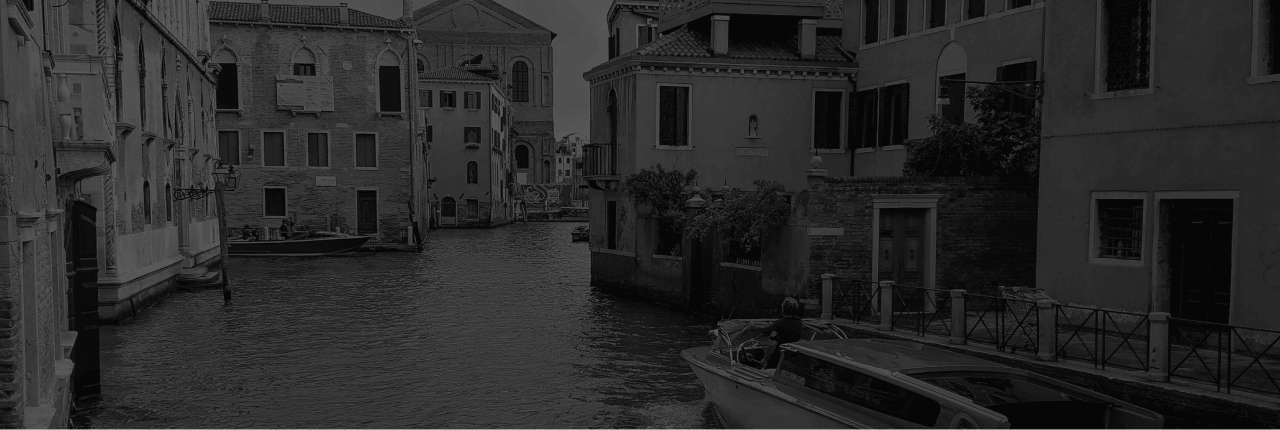
Autumn trips hinge on harvest tours and festival tickets booked far ahead. Travel insurance protects those prepayments along with weather delays and any medical needs during your stay.
Capturing the season
Autumn's low sun gives the countryside a golden haze that summer never manages, and misty valleys frame the hill towns beautifully. Shoot the foliage in the first two hours of light, before the wind strips the larches.
Getting around with ease
Autumn is gentle on accessibility, with cooler walking weather and thin crowds once October arrives. Wet leaves and shortening daylight are the main caveats, along with coastal services that close as the season ends.
The honest take
Golden days, fading fast, with rain on the way.
-
Rain becomes frequent by October, especially in the north
-
Some coastal towns shut down after mid-October
-
Days shorten fast, so mornings are the reliable sightseeing window