
What Italy's crowd calendar looks like
Italy's crowds follow a predictable rhythm that shifts by region, with shoulder seasons in April-May and September-October giving you the best balance.
Key Facts
What to do this season
How the climate shapes the crowds
Italy's climate maps onto its crowds: hot, dry summers pull everyone to the coasts, while winters leave cities quiet and the south mild. The shoulder months of April-May and September-October pair the best weather with the lightest queues.
A Day in the Season
How the year unfolds
Italy's crowd rhythm runs in four clear blocks, and each one favors a different kind of trip.
Spring window
(April–May)
Warm, blooming, and quiet, before the summer crowds build.
Summer peak
(July–August)
Coasts at their best, cities at their busiest, prices at their highest.
Autumn shoulder
(September–October)
Summer warmth with thinning crowds and the harvest festivals.
Winter low
(November–March)
Quiet museums, a mild south, a cold north, and holiday spikes.
What to bring
Packing by crowd calendar means planning for the regions you visit and the seasons you cross, so versatile layers and a few seasonal extras cover most of the country.
- Versatile layers suited to both cool north and mild south
- Comfortable walking shoes for long museum and piazza days
- A compact umbrella for April showers and October rain
- Seasonal extras like swimwear for summer, warm layers for winter
What timing costs
The crowd calendar is a price calendar too, with high-season rates tracking the busiest months and the shoulders delivering most of Italy's best value.
Flights
Peak June–August; shoulders 20–40% cheaper
Hotels
High season in summer, deep value off-peak
Activities
Tours and tickets price by season too
Get the best deal
The crowd calendar is a booking calendar too: the months you save on flights are the same months the big sights are easiest to reserve, and the busy weeks need the most lead time.
A multi-region trip means prepaid trains, hotels, and tours, so insure the whole itinerary in case one leg slips.
Get Travel InsuranceBook with these in mind
-
Book July and August trains and hotels months ahead, they sell out
-
Target April-May and September-October for the best value-to-weather ratio
-
Avoid Italian holiday weeks, they spike prices even in quiet months
Moving between regions
Transport follows the seasons: summer trains and coastal roads strain at capacity, winter islands slow down, and the shoulders give you the smoothest connections of the year.
- Book summer intercity trains early, especially Fridays and weekends
- Confirm winter ferry schedules, islands run reduced service
- Shoulder seasons mean easy, cheap connections across regions
What to eat by timing
Every window on the calendar brings its own table.
What works and what doesn't
Pros
- Planning around the shoulder seasons cuts crowds without sacrificing weather
- Off-peak winter months mean short queues at the Vatican and Uffizi
- Region-specific timing lets you match every destination to its best window
Cons
- July and August crowds at the Colosseum and Cinque Terre can be overwhelming
- Some coastal restaurants and ferries close in the November-to-March low season
- School-holiday weeks can spike prices even in supposedly quiet months
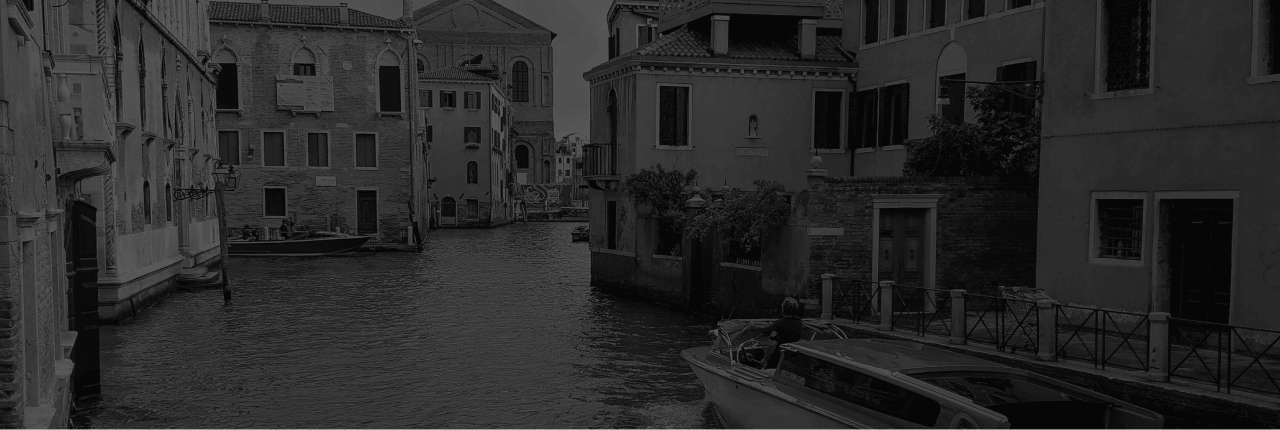
Booking smart around Italy's crowd calendar means prepaid hotels, trains, and tours across multiple regions. Travel insurance covers cancellations and delays when plans change along the way.
Capturing the timing
Every season brings a different light, from soft green spring mornings to golden summer evenings, hazy autumn valleys, and crisp winter shadows. The shoulders give photographers the best balance of low crowds and long, workable daylight.
Getting around with ease
Accessibility changes by season: summer heat taxes anyone in the piazzas, winter ice complicates the north, and the shoulder seasons offer the gentlest conditions with full services still running.
The honest take
Timing fixes most problems, but not all of them.
-
Even the best-planned month can hit a holiday-week surprise
-
The famous sights are never truly empty, only easier
-
Coastal low season means fewer restaurants and ferries