
What winter in Italy is like
Winter in Italy splits between snow-dusted alpine slopes and mild southern cities, with Christmas markets and near-empty museums in between.
Key Facts
What to do this season
What the winter climate feels like
Winter splits Italy in two: crisp, snow-dusted days in the Alps and mild, damp ones in the south. City light stays low and golden, Christmas markets glow after dark, and the coasts feel almost out of season.
A Day in the Season
How a winter day unfolds
Winter days move fast, so the trick is to front-load the daylight: ski or sightsee in the morning, then hand the evening over to markets and long dinners.
Early ski or museum slot
(8:00 AM)
Carve first tracks in the Dolomites or beat the queues at the Uffizi.
Midday market warmth
(1:00 PM)
Warm up with mulled wine and a market lunch as the day peaks.
Afternoon city walk
(4:00 PM)
Walk the historic center while the low sun still lights the facades.
Festive lights and dinner
(7:00 PM)
Stroll the market lights, then settle into a long dinner indoors.
What to bring
Winter packing is two trips in one, serious mountain gear for the Alps and light layers for the mild south, plus warm city pieces for the long evenings.
- Insulated, waterproof ski jacket and snow pants
- Thermal base layers and wool socks for the mountains
- Waterproof boots and snow chains if you drive
- A warm coat, scarf, gloves, and hat for city days
What winter travel costs
Winter splits the market: cities drop to their cheapest rates of the year, while ski resorts and holiday weeks charge premiums that rival summer.
Flights
City routes cheap; holiday weeks spike
Hotels
City rates at annual lows outside holidays
Activities
Ski passes and resorts price at winter highs
Get the best deal
Winter bargains live in the cities, while the mountains charge premium rates for reliable snow. The trap is holiday weeks, which flip quiet cities into peak-season prices overnight.
Ski weeks and Carnival bookings are prepaid and weather-dependent, so insure the dates before you commit.
Get Travel InsuranceBook with these in mind
-
Book ski resorts and lift passes early, December and February sell out
-
Avoid the Christmas-New Year stretch in cities, prices triple for a week
-
Book Venice Carnival accommodation months ahead if you want to attend
Moving around in winter
Winter transport is quiet and punctual in the cities, but the mountains need planning and the islands run reduced services, so check timetables before you commit.
- Alpine trains and buses are reliable, but snow can close mountain roads
- Island ferries run reduced winter schedules, so confirm crossings
- Carry snow chains if you drive over passes in the mountains
What to eat this season
Hearty mountain plates, festive markets, and southern street food.
What works and what doesn't
Pros
- Ski resorts run December through April with reliable snowmaking
- Rome, Florence, and Venice have their lowest crowds of the year
- The south stays mild, making Sicily and Naples pleasant winter breaks
Cons
- Daylight is short, so plan museum visits and outdoor time carefully
- Holiday weeks and Venice Carnival inflate prices and crowds
- Many coastal towns and island ferries close or run reduced services
Winter travel mixes ski resort prepayments, mountain weather, and holiday-week bookings. Travel insurance covers cancellations, lost ski equipment, and medical care on and off the slopes.
Capturing the season
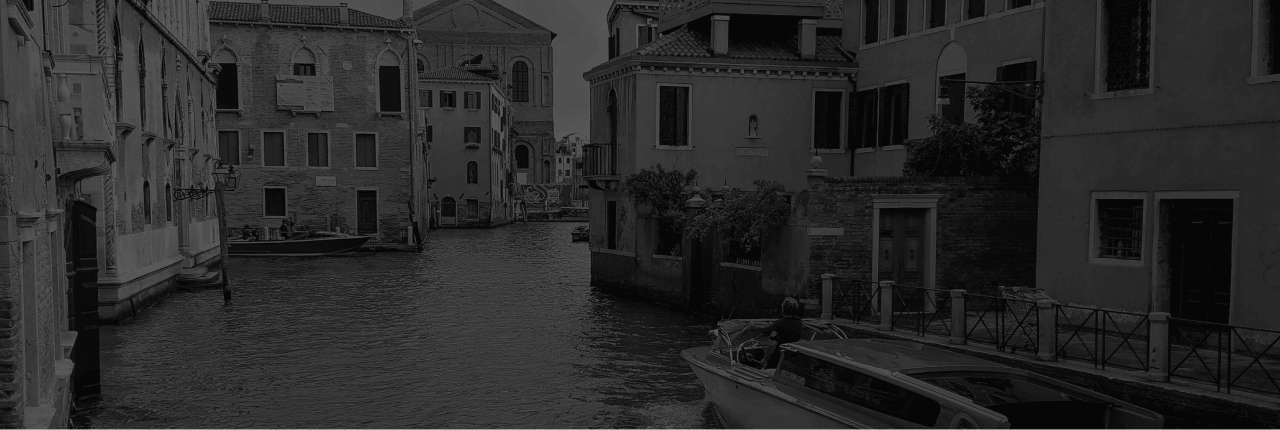
Winter's low sun and long shadows give cities a dramatic, quiet mood, and snow turns the Alps into a clean white canvas. Markets photograph best at dusk, when the string lights glow against the dark.
Getting around with ease
Winter accessibility cuts both ways: museums and cities are quiet and easy, while icy pavements and heavy snow in the mountains raise the stakes. Heated, level routes and empty trains make city travel unusually simple.
The honest take
Two very different winters, both worth planning for.
-
Daylight is short, so mornings carry the sightseeing load
-
Holiday weeks and Carnival spike prices and crowds
-
Many coastal towns and island ferries close for the season