
A world heritage treasure
Venice and its lagoon were inscribed in 1987 as a single site — a city built on water and the fragile ecosystem that surrounds it.
Key Facts
What to see
The basilica's gilded domes, the Campanile, and the crowds of the lagoon's grandest public square.
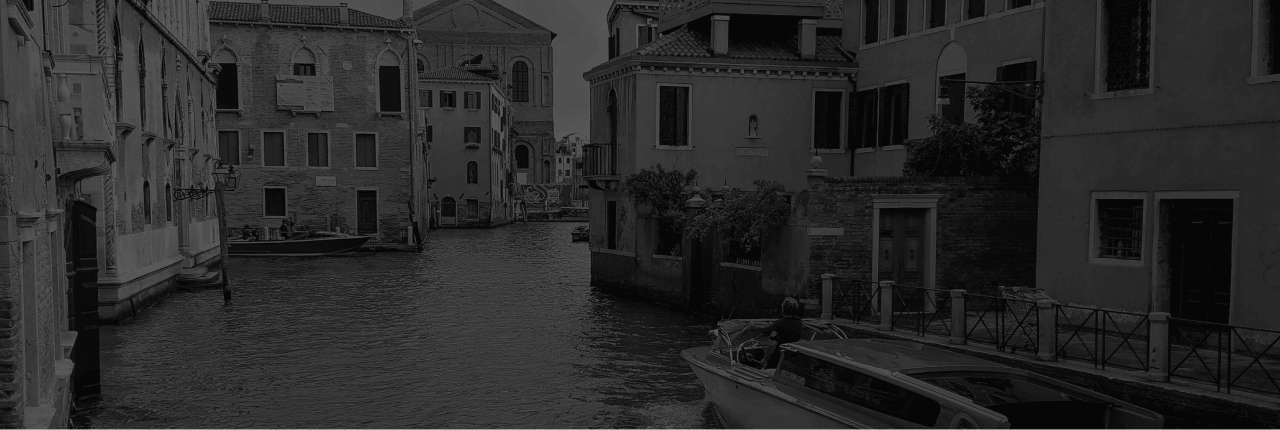
Glide past centuries of palazzos on the water bus or under the Rialto Bridge by gondola.
Murano's glassworks, Burano's painted houses, and Torcello's quiet mosaics.
Practical information
Hours
The city is open around the clock; vaporetti water buses run from early morning until well past midnight
Entry Fee
Walking the city is free; vaporetti rides, lagoon island visits, and major churches and museums each require tickets
Best Time
April through June and September to October offer mild weather and thinner crowds than high summer
Nearby Sites
Murano, Burano, Torcello, Lido di Venezia, Chioggia
Preserving the site
Acqua alta flooding, rising sea levels, and overtourism keep Venice's fragile fabric under pressure, and UNESCO has weighed listing the site at risk. A visitor-access fee, flood barriers, and limits on large ships aim to ease the strain. Italy has no sites currently on the List in Danger.
Make the most of your visit
-
Buy a vaporetto pass to cover the water bus and lagoon island hops efficiently
-
Stay overnight to experience the piazzas and canals after the day-trippers leave
-
Carry water and mind high tides, especially in winter when flood barriers are tested
-
Reserve Murano and Burano for a full morning or afternoon, not a rushed stop
Protect your trip
Venice's canal crossings and packed water-bus landings are where phones and wallets go missing, and flood-season delays can upend plans. Travel insurance covers theft, disruption, and trip changes.
Protect Your Trip